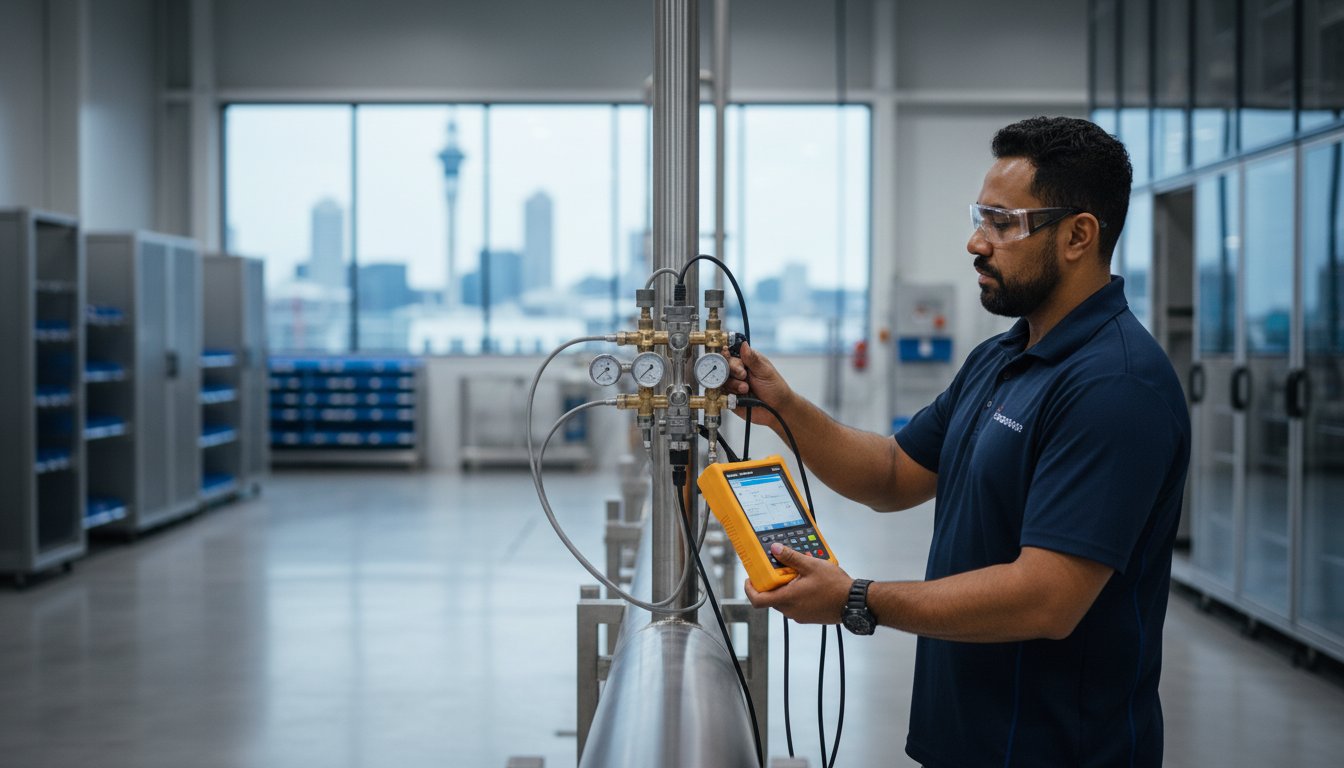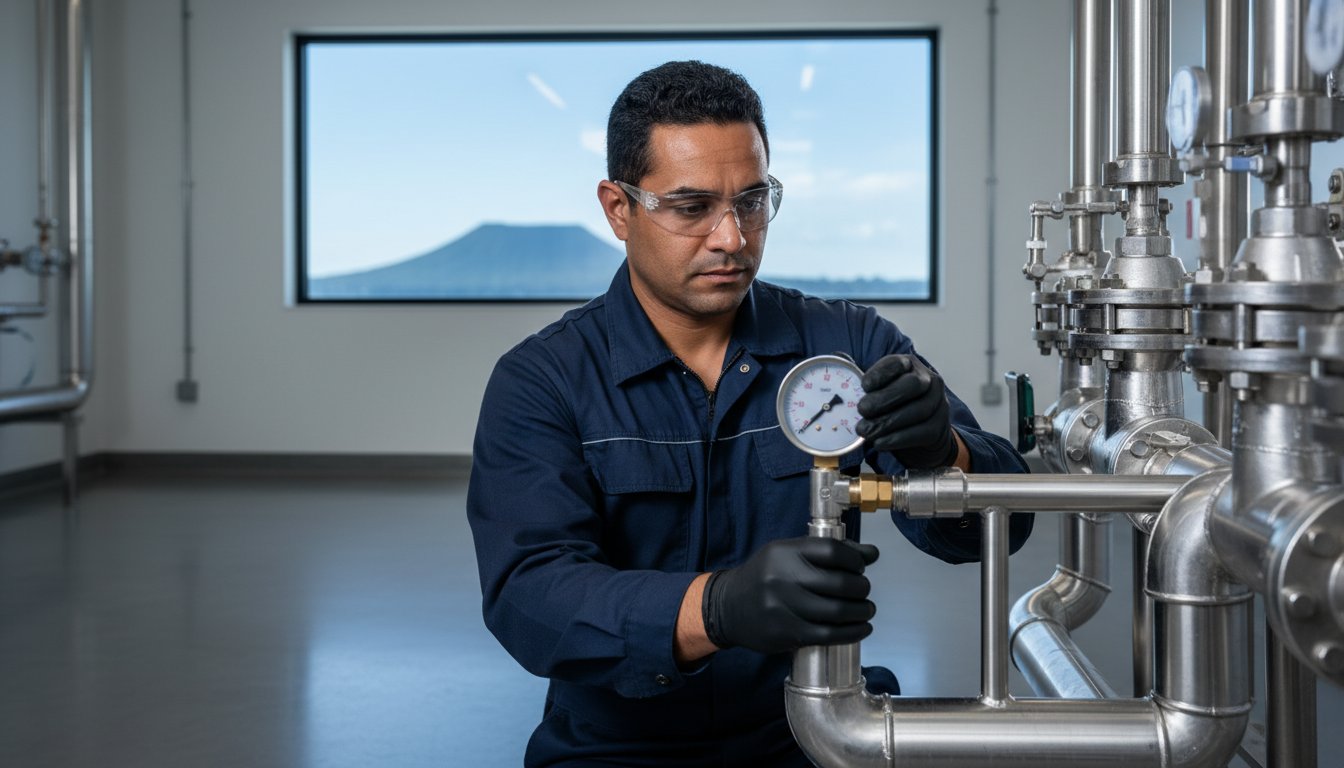




Could a single decimal point error in a pressure transmitter be the difference between a successful project and a safety failure costing over NZ$15,000 in daily downtime? In the high-stakes environment of engineering New Zealand, a measurement deviation of just 0.5% can trigger immediate regulatory intervention or compromise the integrity of critical infrastructure. You likely understand that maintaining IANZ accreditation isn't just a hurdle to clear; it's the foundation of your professional reputation and operational safety. Managing these standards becomes difficult when you're forced to coordinate between separate equipment suppliers and calibration labs that don't talk to each other.
We've spent 35 years perfecting a "total solution" that removes this uncertainty. This guide will show you how to align your technical operations with New Zealand's rigorous standards through IANZ-accredited precision and expert instrumentation. We'll outline the steps to achieve full compliance and explain how a consolidated approach to equipment supply can reduce calibration turnaround times by 25%, ensuring your data remains reliable for every safety-critical application.
• Understand the evolving landscape of engineering new zealand in 2026 and the vital distinction between professional bodies and technical service providers.
• Discover why IANZ accreditation is the gold standard for precision, offering traceability and reliability that standard factory calibrations simply cannot provide.
• Identify the hidden costs of purchasing from general resellers and the operational benefits of "Plug and Play" kits designed for immediate onsite use.
• Learn how NZ engineering expertise is driving infrastructure development in Fiji and how to overcome unique environmental challenges for instrumentation in the Pacific.
• Explore the "Total Solution" philosophy to see how 35+ years of expertise ensures you receive a complete package, including custom fittings, hoses, and ongoing support.
The engineering landscape has evolved into a high-precision ecosystem where civil infrastructure and advanced manufacturing converge. In 2026, this sector contributes over NZ$15 billion to the national economy. Professionals look to Engineering New Zealand to define the ethical and professional benchmarks for more than 20,000 registered practitioners. While the professional body sets the standards for competency, technical service providers ensure those standards are physically met through rigorous calibration. We distinguish ourselves by providing the technical backbone for these professionals, moving beyond simple product sales to offer comprehensive instrumentation support.
Precision is the foundation of the Chartered Professional Engineer (CPEng) status. This designation isn't just a title; it's a promise of accuracy. Within the context of engineering New Zealand projects, a 0.5% variance in pressure or temperature can lead to massive structural failures or significant financial losses in high-tech manufacturing. The shift toward digital-first engineering is now complete. Real-time data monitoring is integrated into 85% of Tier 1 infrastructure projects across Auckland and Christchurch. Engineers no longer rely on sporadic manual checks. They use live, traceable data streams to make split-second safety calls.
The 2023 update to NZS 3910 continues to govern project delivery and contract management across the country. These local standards dictate exactly how measurement accuracy must be handled in safety-critical environments. Modern engineering New Zealand requires a 'Total Solution' approach. It isn't enough to own a high-end gauge. You need a partner who provides the fittings, the hoses, and the IANZ accredited calibration as a single, plug-and-play package to meet site-specific requirements.
Professional ethics require the use of accurate, verified instruments for all reporting and certification. Using uncalibrated equipment isn't just a technical error; it's a breach of professional duty. Engineers must seek accredited partnerships instead of just buying off-the-shelf tools from importers who don't offer after-sales support. We provide the reference equipment and the expertise to ensure your data holds up under scrutiny. Engineering ethics and measurement traceability are inextricably linked because an engineer's integrity is only as reliable as the data supporting their decisions.
This principle of holistic responsibility extends beyond individual instruments to the entire operational environment. Just as engineers rely on calibrated tools, businesses depend on well-managed facilities to function safely and efficiently. Comprehensive providers like The CFS Group ensure that the broader infrastructure supports seamless operations, complementing the technical precision required in engineering.
Precision isn't just a goal in engineering New Zealand infrastructure; it's a legal and safety requirement. The International Accreditation New Zealand (IANZ) seal represents the highest level of technical competence a laboratory can achieve. It differs fundamentally from a standard ISO 9001 certification, which focuses on management. IANZ accreditation proves that a lab has the specific equipment, training, and environment to produce technically valid results that stand up to international scrutiny.
Many firms mistakenly rely on "factory calibrations" to save costs. These are often basic functional checks performed by the manufacturer without independent oversight. In contrast, an IANZ-accredited calibration provides a formal certificate of accuracy with a defined uncertainty measurement. This distinction is vital when a 1% error in a pressure sensor could lead to a NZ$30,000 plant shutdown or, worse, a catastrophic equipment failure. By using accredited services, engineering firms insulate themselves from liability and the expensive prospect of rework caused by faulty data.
Traceability is the backbone of this system. Every measurement made in our Auckland lab follows a documented chain back to national and international SI units. This ensures that a kilopascal measured in a Waikato dairy factory is identical to a kilopascal measured anywhere else in the world. We don't just "import and sell stuff"; we provide the total solution by maintaining this rigorous chain of custody for every instrument we touch.
ISO/IEC 17025 is the specific standard that governs calibration laboratories. It's the non-negotiable benchmark for any engineering New Zealand project involving high-pressure systems or sensitive thermal processing. CPS (NZ) Ltd has spent over 35 years refining our processes to meet these audits. We invest heavily in our lab environment to ensure that external factors like humidity or vibration don't compromise your results. For a deeper look at these standards, see our definitive guide to precision and calibration.
NZ’s heavy industries face unique challenges, particularly in geothermal and dairy processing. Pressure transmitters in these environments must withstand extreme conditions while maintaining accuracy. Similarly, the pharmaceutical sector relies on temperature measurements where a 0.5°C variance can ruin an entire production batch. We separate ourselves from simple resellers by investing in world-class reference equipment that allows for high-precision testing across these variables. We provide the hoses, the fittings, and the expertise to ensure your gear is ready for the field. If you're planning a site audit, you can talk to our technical team about your specific requirements.
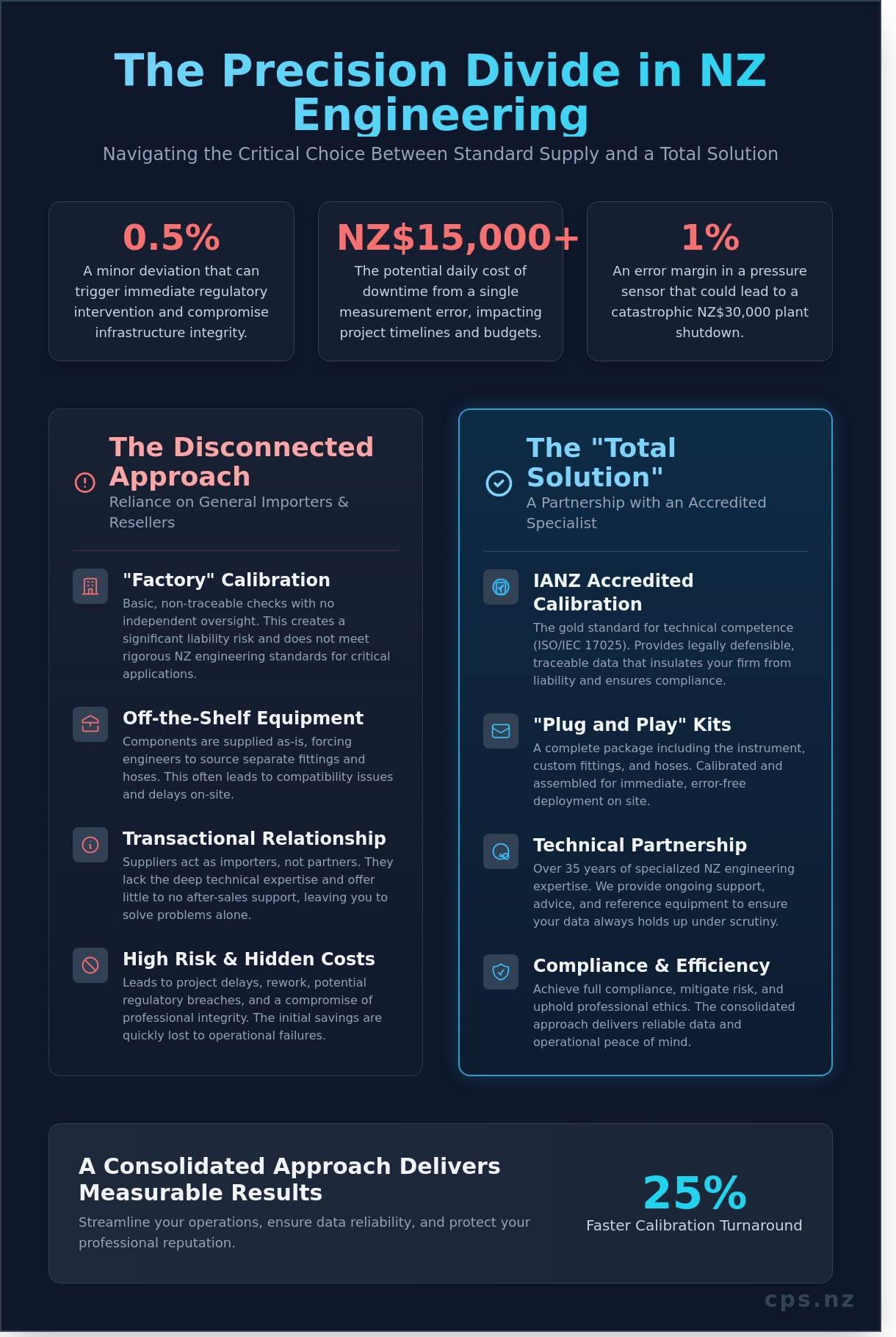
Choosing where to source your instrumentation is a critical decision for engineering New Zealand projects. A general industrial reseller might offer a lower initial price tag, but they often leave you with the logistical burden of sourcing compatible fittings and arranging third-party calibration. This fragmented approach creates hidden costs. Sending a new gauge for separate calibration can add NZ$250 to NZ$500 in freight and service fees, while causing a 10-day delay in deployment. A technical partner eliminates these bottlenecks by providing a total package from day one.
Plug and play kits have become the 2026 industry standard for onsite engineering. These kits arrive in custom rugged cases with every necessary component: high-pressure hoses, NPT or BSP fittings, and the required power adapters. This level of preparation ensures your team doesn't get stranded in the field because of a missing NZ$15 adapter. We provide the total solution, including technical training and after-sales support that keeps your project moving when equipment faces harsh NZ conditions.
In professional engineering, a standard factory check isn't enough to meet modern safety requirements. You need absolute traceability. The IANZ Metrology and Calibration Laboratory Accreditation provides the national benchmark for this process. Without an IANZ certificate, your insurance may not cover a system failure, and your audit trail will likely fail a WorkSafe inspection. The following table breaks down the differences for a typical pressure gauge purchase.
| Metric | Standard Calibration | IANZ Accredited Calibration |
|---|---|---|
| Upfront Cost | NZ$90 - NZ$160 | NZ$220 - NZ$480 |
| Risk Profile | High (unverified uncertainty) | Minimal (strictly controlled) |
| Compliance | Basic internal reference | Legal, Insurance & International standards |
| Audit Validity | Often rejected | 100% Guaranteed acceptance |
Top-tier firms involved in engineering New Zealand infrastructure now prioritize digital over analog. Brands like Additel have revolutionized the market with digital gauges that offer 0.02% full-scale accuracy. Unlike analog dials, digital units aren't susceptible to parallax errors or mechanical fatigue from pressure spikes. These instruments are built to withstand the damp, rugged environments common in local geothermal and hydro projects. If you're seeking accurate instruments in NZ? Why accredited calibration is the 2026 standard is a vital resource to help you understand why precision is non-negotiable for modern compliance. Moving to digital allows for automated data logging, which provides a digital footprint of every test performed on a job site.
New Zealand's technical influence extends far beyond its own shores, acting as a vital anchor for the Pacific's industrial growth. For decades, the high benchmarks set by engineering new zealand professionals have provided the blueprint for infrastructure projects across Fiji. This relationship is built on more than just proximity. It's founded on a shared need for precision in environments that are notoriously difficult for sensitive instrumentation.
In Suva and Lautoka, industrial equipment faces extreme humidity levels often exceeding 85% and constant salt spray. These conditions accelerate corrosion and cause significant drift in pressure transmitters and temperature sensors. Maintaining IANZ (International Accreditation New Zealand) standards across these international borders ensures that a factory in Fiji operates with the same level of accuracy as one in Auckland. This consistency is essential for Fiji's export markets, where compliance with global safety and quality standards is non-negotiable.
Shipping critical instruments back to New Zealand for calibration isn't always practical. It's expensive and creates weeks of downtime. CPS (NZ) Ltd solves this by deploying mobile calibration teams directly to remote sites. We've seen that a single day of unplanned downtime in a Suva-based manufacturing plant can cost upwards of NZ$12,500 in lost productivity. By performing on-site testing and installation, we eliminate the risk of transit damage and get systems back online immediately.
We handle the transport of world-class reference equipment to ensure lab-grade results in the field.
On-site verification of utility meters and manufacturing sensors reduces operational gaps by 70% compared to off-site servicing.
Our technicians provide the total solution, including fittings and hoses, so you aren't left stranded with a calibrated gauge that won't connect.
Sustainable engineering requires local expertise. CPS (NZ) Ltd focuses on bridging the skills gap by providing hands-on training for Fiji’s technical workforce. We don't just fix the problem; we show your team how to maintain these high standards. This knowledge transfer is the most effective way to ensure long-term regional stability and aligns with the professional expectations of engineering new zealand. Precision is a shared language that connects our two nations.
While technical training is paramount, the broader shift to digital tools in the industry also highlights the importance of digital confidence for all professionals. For Kiwis looking to strengthen their skills in this area, coaching services like Achieve With Nate offer valuable support for navigating the modern digital landscape.
"True regional resilience is built through shared technical mastery and the rigorous application of international standards."
Selecting a partner for engineering New Zealand infrastructure and industrial projects requires more than finding a vendor; it requires a technical ally with a proven track record. Since 1988, CPS (NZ) Ltd has operated as the country's leading authority in instrumentation and calibration. We've spent over 35 years refining a "Total Solution" philosophy. This approach ensures you receive more than just a product in a box. We provide plug-and-play kits tailored to your exact onsite requirements, including the specific fittings and hoses needed for immediate operation.
Our commitment to precision is backed by substantial capital investment in technology. We maintain IANZ accredited laboratories and utilize world-class reference equipment to ensure every measurement meets strict international standards. While some companies simply import and sell products to make a quick profit, we invest in the traceability and technical support that keeps your operations compliant and safe. This dedication to quality has established us as a trusted name for major players in the dairy, energy, and manufacturing sectors across the country.
Our Auckland-based team consists of seasoned technicians who understand the unique demands of the local regulatory environment. We take pride in our "We Do It All" commitment. Whether you need custom carry cases for rugged field work or complex pressure transmitter setups, we handle every detail internally. We don't leave you to source your own adapters or worry about compatibility. You can learn more about our rigorous standards in our guide on Accurate Instruments in NZ: A Guide to Choosing Your Calibration Partner.
Developing a personalized calibration and equipment strategy is straightforward with our team. We offer technical consultations to assess your specific instrumentation needs and identify potential gaps in your current setup. To ensure a smooth process when you're ready to proceed, use this checklist to prepare your equipment for calibration:
• Confirm all batteries are fully charged or replaced.
• Include all necessary power cables, probes, and specialized leads.
• Provide a detailed list of specific test points or ranges required for your industry.
• Document any known faults or intermittent issues with the device.
Our team provides the level of personalized service that ensures you aren't left stranded after a purchase. We're proud of our history and confident in our ability to support the future of engineering New Zealand projects with unmatched precision. Contact the Experts at CPS (NZ) Ltd for Your Engineering Calibration Needs to secure your project's accuracy today.
Precision in 2026 demands a shift from simple procurement to strategic technical partnerships. IANZ accreditation remains the gold standard for safety and accuracy, ensuring your equipment meets rigorous international benchmarks across every project. CPS (NZ) Ltd bridges the gap between supply and long-term reliability by acting as a total solution provider. We've spent 35+ years building a reputation for excellence, offering everything from initial supply to specialized support in our IANZ accredited labs. This comprehensive approach is vital for the continued growth of engineering new zealand, especially as local standards and Pacific partnerships become more integrated. Choosing a partner that invests in world-class reference equipment means you won't be left stranded when precision matters most. We don't just sell tools; we provide the fittings, hoses, and calibrations that keep your site operational. Reliability isn't just a goal; it's a requirement for modern industry. We're ready to help you maintain the highest standards of accuracy and compliance for years to come.
Partner with NZ's Leading Engineering Calibration Experts
Engineering New Zealand is the professional membership body that represents over 22,000 engineers and sets ethical standards, whereas a calibration lab provides the technical service of verifying instrument accuracy. While the professional body oversees the people, our IANZ accredited labs ensure the precision of the tools those people use. We provide the technical traceability required to meet the high standards established by the profession.
IANZ accreditation isn't legally mandatory for every minor project, but it's a strict requirement for 100% of projects involving ISO/IEC 17025 compliance or high-stakes infrastructure. Most Tier 1 contractors in New Zealand demand IANZ-certified results to mitigate risk and ensure public safety. Without this accreditation, your data lacks the formal recognition needed for legal and regulatory audits.
Most engineering instruments require calibration every 12 months to maintain compliance with New Zealand industry standards. If you're using equipment in harsh environments or on high-frequency 24/7 production lines, we recommend a 6-month interval to prevent drift. Regular testing ensures your engineering New Zealand projects remain accurate and prevents the costly rework associated with out-of-tolerance measurements.
Yes, we provide on-site calibration services across the Pacific, including Fiji, where we regularly support large-scale infrastructure and industrial sites. Our technicians travel with portable reference equipment to deliver the same high standards we provide in our Auckland and Christchurch labs. This "total solution" approach means your gear stays in the field, reducing downtime by up to 80% compared to shipping it overseas.
Buying from an accredited provider like CPS (NZ) Ltd ensures you receive a "total package" that includes technical support, initial calibration, and custom fittings. Resellers often just import products to make a quick profit without understanding the technical requirements. We've spent 35 years building labs that support every sale, ensuring your equipment is "plug and play" and comes with a valid IANZ certificate from day one.
You can verify compliance by checking for the official IANZ logo and the lab's specific accreditation number on the certificate. Every valid document must also list the uncertainty of measurement and show clear traceability to national standards. If you're unsure, you can search the IANZ online directory which lists all 400+ accredited organisations currently operating in New Zealand to confirm their scope of work.
CPS (NZ) Ltd specializes in a comprehensive range of instrumentation, including pressure transmitters, temperature sensors, torque wrenches, and electrical test equipment. We don't just sell individual items; we provide complete kits tailored to your specific onsite requirements. With over 3 decades of experience, we've refined our inventory to include world-leading brands that meet the rigorous demands of the New Zealand engineering sector.