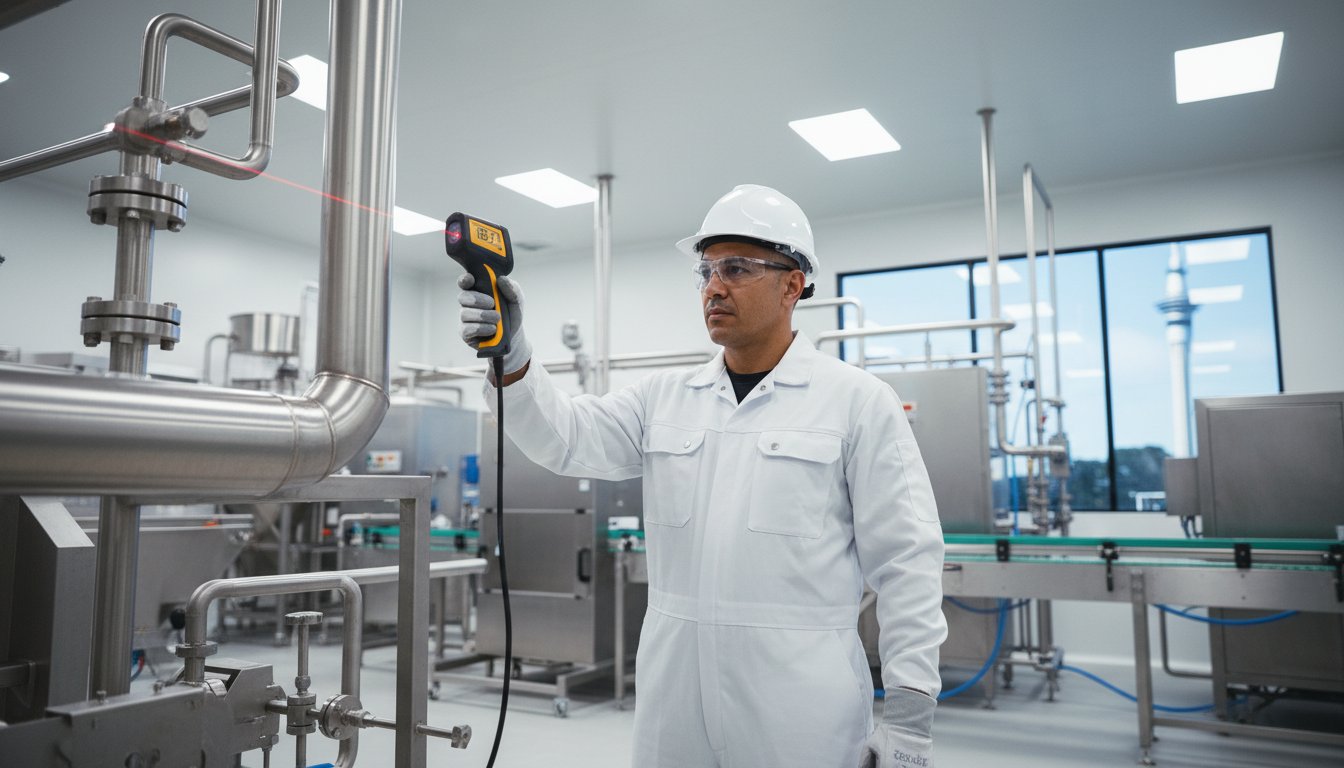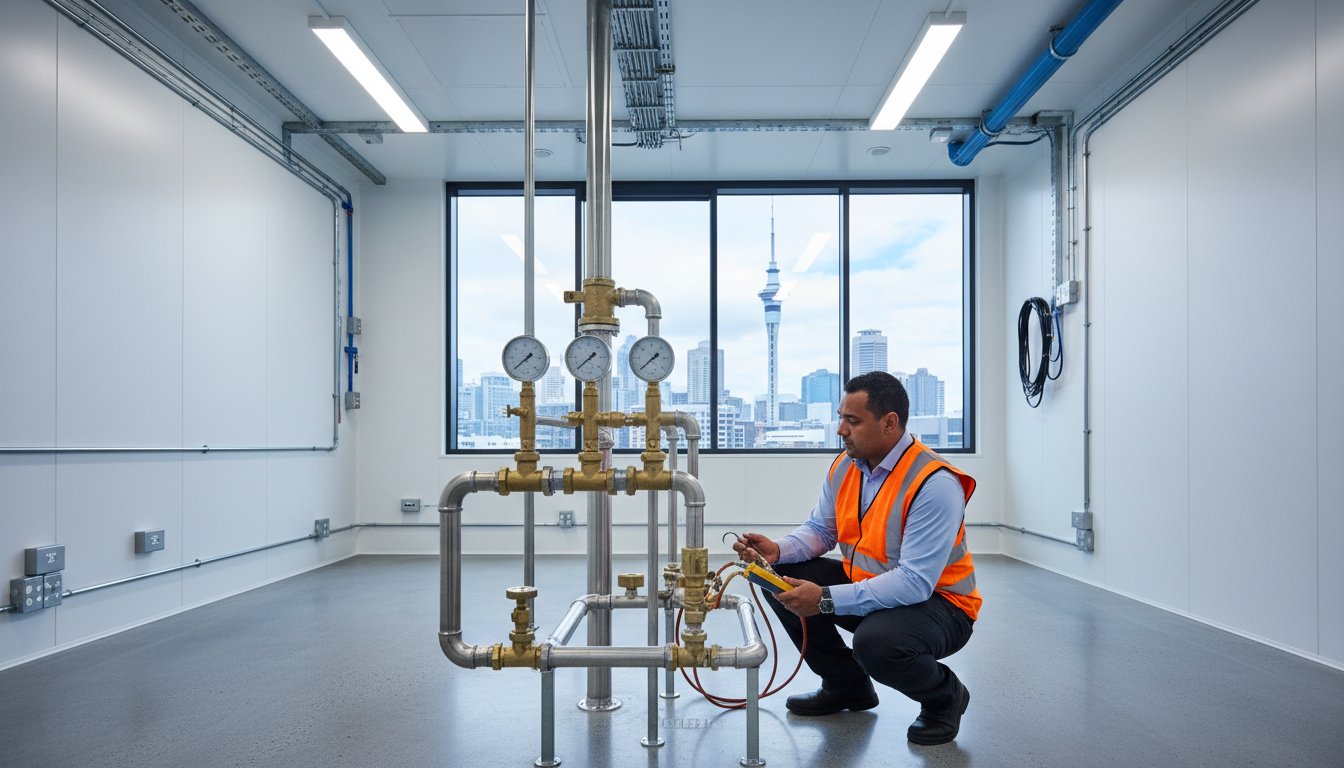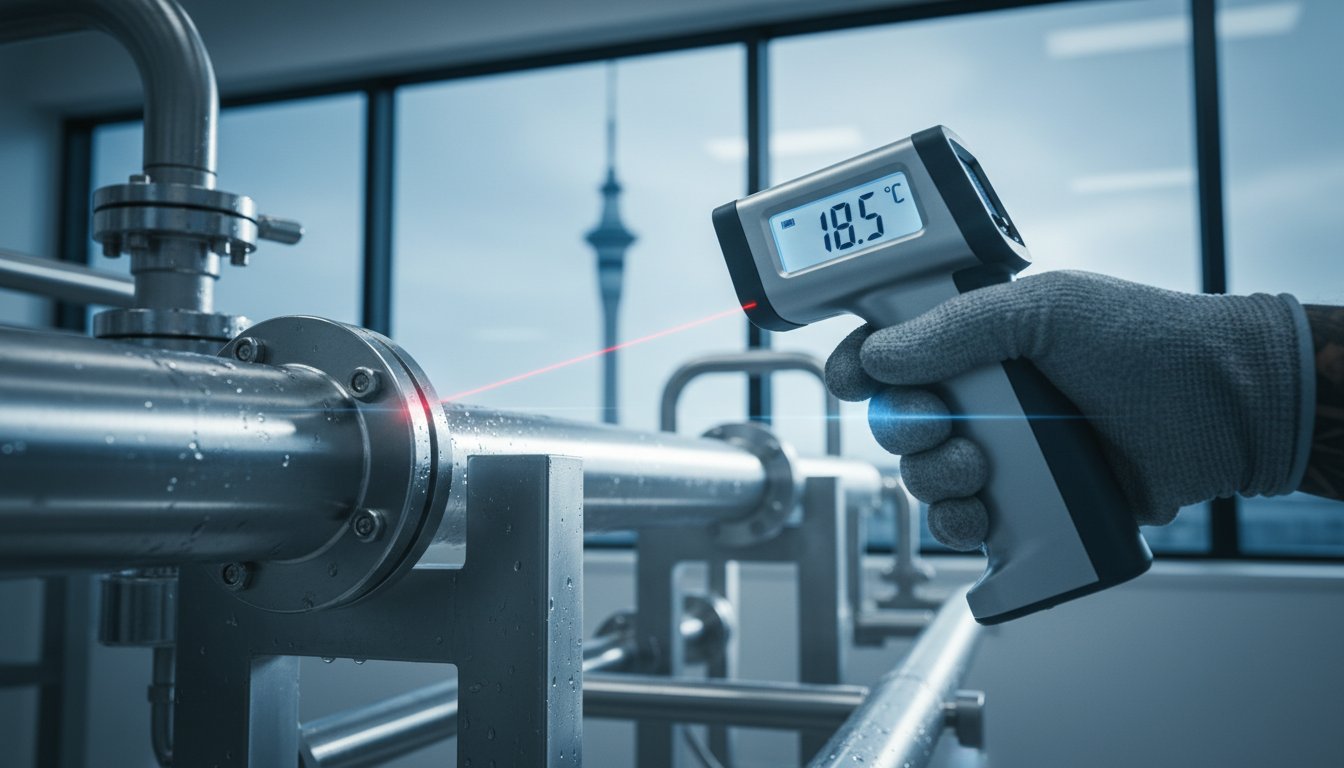




What if the gas detector on your belt is actually a liability because a poisoned sensor is giving you a false sense of security? It’s a chilling thought for any site manager, especially when you consider that a single equipment failure can lead to catastrophic results. You already know that maintaining a reliable fleet of monitors is a massive logistical headache. Between the confusing choice of PID versus LEL sensors and the high "overage" costs of sending units away for weeks of servicing, it’s easy to feel like you’re overpaying for a system that still leaves your team exposed.
At CPS (NZ) Ltd, we’ve spent over 35 years ensuring New Zealand businesses don’t get stranded with sub-par equipment or missing paperwork. We promise to show you how to choose, calibrate, and manage your instrumentation to achieve zero safety incidents and full IANZ-traceable documentation. This guide provides a clear roadmap for 2026, covering everything from technical sensor selection to our total solution service model that slashes downtime by keeping your equipment onsite and ready for action. You'll learn how to navigate complex regulatory requirements while maintaining a cost-effective, high-performance safety program.
• Understand how modern gas detection instruments function as critical data-logging tools to ensure your site meets New Zealand Health and Safety at Work Act (HSWA) requirements.
• Learn the technical science behind sensor drift and lifespans to proactively manage your safety hardware before it reaches its end of life.
• Identify the operational differences between portable and fixed systems to determine the most effective gas detector configuration for your specific site risks.
• Discover why IANZ accredited calibration is essential for legal traceability and how it differs from a standard field bump test.
• See how leveraging a "total solution" approach-combining expert supply, fittings, and training-simplifies the management of your entire safety instrumentation fleet.
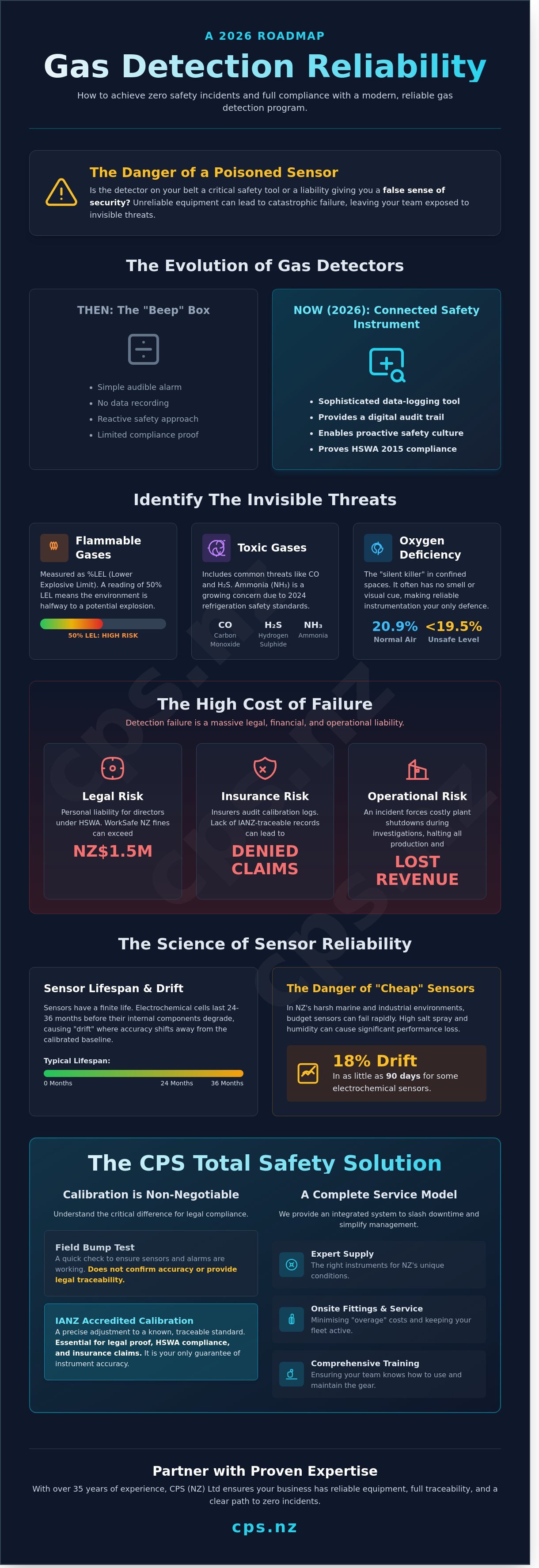
The definition of a safety instrument has changed significantly over the last decade. In 2026, a modern gas detector is no longer just a simple "beep" box designed to shout when it smells trouble. It's a sophisticated data-logging instrument that provides a digital audit trail for every shift. This evolution is essential for meeting the New Zealand Health and Safety at Work Act (HSWA) 2015 requirements. Under this legislation, NZ businesses must demonstrate they've mitigated risks to the highest reasonably practicable level. A high-quality gas detector serves as verifiable proof of a proactive safety culture rather than a reactive one.
Relying on "cheap" sensors bought from unverified overseas vendors often leads to catastrophic failure in New Zealand's harsh marine and industrial environments. High salt spray and extreme humidity can cause budget electrochemical sensors to drift by as much as 18% within just 90 days. We've seen these units fail to trigger in critical moments because the sensor face became occluded by local grit or corrosion. By 2026, the industry has shifted toward "connected safety." This involves real-time monitoring where local devices link to cloud-based dashboards. If a worker in a remote plant or a basement site encounters a leak, a supervisor receives an instant alert on their mobile device, even if the worker is out of earshot.
This level of real-time alerting relies on robust mobile communication networks, especially in remote or challenging environments where standard cellular coverage may be weak. For those interested in the communication technology that powers these modern safety systems, you can find out more about ensuring reliable connectivity for your team.
Flammable gases are measured by the Lower Explosive Limit (LEL), which is the lowest concentration of gas in the air capable of producing a flash of fire in the presence of an ignition source. If your meter reads 50% LEL, you're halfway to a potential explosion. Toxic threats like Carbon Monoxide (CO) and Hydrogen Sulphide (H2S) are standard concerns, but ammonia (NH3) monitoring has become a priority due to the 2024 updates in refrigeration safety standards across the Pacific. Oxygen deficiency remains the silent killer in confined spaces. It often occurs without any physical smell or visual cue, making reliable instrumentation your only line of defence.
Managing combustible gas levels is a critical component of a company's overall fire safety strategy. While regulations differ by country, the principles of risk assessment are universal; for a detailed guide on this from a UK perspective, you can check out AFN Industrial Services Ltd.
Failure isn't just a safety breach; it's a massive legal and financial liability. WorkSafe NZ fines for non-compliance can exceed NZ$1.5 million for corporate entities. Insurance providers in 2026 frequently audit calibration logs before processing claims related to workplace accidents. If you can't prove your sensors were calibrated to IANZ standards, your coverage may be void.
Personal liability for directors under HSWA.
Potential for denied claims due to lack of traceability.
Costly plant shutdowns during investigations.
Consider a 2023 case study from a Pacific food processing plant. They avoided a major disaster when their networked gas detection system identified an NH3 leak in a sub-floor crawl space before the morning shift arrived. Because they invested in a "Total Solution" including IANZ accredited calibration and staff training, they saved an estimated NZ$450,000 in lost stock and avoided potential fatalities. Hardware is only half the battle. Without a professional calibration schedule and the right fittings, even the most expensive instrument is just a paperweight. We don't just sell you a tool; we provide the expertise to ensure it works when lives are on the line.
Understanding how a gas detector functions is the first step toward a safer workplace. These devices aren't just simple alarms; they're sophisticated instruments that translate chemical concentrations into digital data. Modern gas sensor technology utilizes diverse physical and chemical properties to ensure accuracy in high-risk environments. Every sensor relies on a specific reaction or light absorption pattern to identify threats, making the choice of sensor just as critical as the device itself.
Sensors have a finite life and don't last forever. Most electrochemical cells have a lifespan of 24 to 36 months before the internal electrolyte loses its potency. This leads to "drift," where the device's accuracy shifts away from its calibrated baseline. In an industrial setting, a sensor might lose 2% to 5% of its sensitivity every month. If you skip a scheduled calibration, your device might show a zero reading when the air is actually reaching toxic levels. When a sensor "dies," it's often because the catalyst is spent or the internal chemical components have completely dried out.
New Zealand's unique environment adds layers of complexity to sensor maintenance. Salt air in coastal regions like New Plymouth or Tauranga can corrode sensor membranes and delicate internal circuits. High humidity levels, which often exceed 85% in Northland summers, can cause moisture to bead on sensor filters. This prevents gas from reaching the internal components, effectively "blinding" the device. We've also seen equipment fail in South Island alpine conditions because extreme cold, dropping below -5°C, slows the chemical reactions inside the sensors, leading to sluggish response times.
These function like a small battery that generates a current when exposed to toxic gases like Carbon Monoxide or Hydrogen Sulfide. They're the primary choice for monitoring oxygen levels and ppm (parts per million) concentrations of toxins.
These are the industry standard for combustible gases. They rely on a heated coil to oxidize gas. However, they require at least 10% oxygen in the atmosphere to operate correctly.
Pellistors are vulnerable to "poisoning" from silicone vapors or lead. Regular calibration at an IANZ accredited lab ensures these sensors remain responsive to explosive threats.
IR sensors offer a robust alternative for detecting hydrocarbons. Unlike catalytic beads, IR sensors are immune to silicone poisoning. They don't rely on a chemical reaction, so they can't be "killed" by high gas concentrations. They use light absorption to measure gas density, making them a reliable choice for sites where oxygen might be displaced. For those dealing with Volatile Organic Compounds (VOCs), PID technology is the gold standard. A PID uses high-energy ultraviolet light to ionize gas molecules, allowing for the detection of solvents or fuels that are toxic at levels far below their explosive limits.
If your site handles paints, complex fuels, or industrial solvents, a PID sensor is a mandatory investment for long-term health monitoring.
IR sensors work in inert (oxygen-free) atmospheres where catalytic beads would fail.
Cross-sensitivity is another factor our technicians manage. This occurs when a sensor reacts to a gas other than its target. For instance, a hydrogen sulfide sensor might trigger a false alarm in the presence of hydrogen. At CPS (NZ) Ltd, we provide the total solution by analyzing your specific site risks to minimize these false triggers and ensure your team stays safe.
Selecting the right hardware is a technical decision that dictates your site's safety margin. We see many operations struggle because they treat portable units as a substitute for a permanent fixed system, or vice versa. These technologies serve different masters. Portables protect the individual breathing zone, while fixed systems guard the facility's integrity and provide 24/7 surveillance of high-risk zones. At CPS (NZ) Ltd, we provide the total solution by ensuring these two layers work in tandem rather than in isolation.
Portable units are your first line of personal defence. The industry standard for 90% of New Zealand industrial sites is the 4-gas monitor. These compact devices simultaneously track Oxygen (O2), Lower Explosive Limit (LEL), Carbon Monoxide (CO), and Hydrogen Sulphide (H2S). For specialized environments like water treatment plants or commercial pools, single-gas units for Chlorine or Ozone are mandatory. A wearable gas detector must be rugged enough to survive the field. We recommend units with an IP68 rating, which guarantees protection against dust and total immersion in water. Look for hardware that features a clear, backlit display and a high-decibel alarm that workers can hear over heavy machinery. Durability isn't just a marketing term; it's a requirement when a device might take a 3-metre drop onto concrete.
Fixed systems take the human element out of the monitoring equation. These sensors stay on duty when the shift ends, providing continuous data to your building management system. Integration is where the real value lies. A well-designed system doesn't just beep; it triggers ventilation fans, activates strobe lights, and engages emergency shut-off valves to stop a leak at the source. Sensor placement is a science that depends on the specific gravity of the gas. For instance, Hydrogen is much lighter than air with a relative density of 0.07, so sensors must be mounted near the ceiling. Conversely, LPG has a density of 1.55 and will pool in low-lying areas or pits. Following the NFPA 715 standard ensures that your installation, particularly for fuel gas hazards, meets international safety benchmarks. Maintenance for these systems requires on-site calibration every six months to combat sensor drift and ensure the relays still fire correctly when the gas detector reaches its set point.
Area monitors bridge the gap for temporary worksites or fence-line monitoring during high-risk maintenance. These units are more robust than portables and offer longer battery lives, often exceeding 100 hours of continuous operation. They create a "safety perimeter" around a specific zone, which is ideal for short-term projects where installing a permanent fixed system would be cost-prohibitive, typically saving a company upwards of NZ$5,000 in installation labor for a two-week job.
Fleet management is the final piece of the puzzle. The "Overage" problem occurs when businesses buy exactly one unit per worker. This leaves no room for the 15% of the fleet that is usually out of service for scheduled IANZ accredited calibration or sensor replacement. We suggest maintaining a 12% to 15% buffer in your equipment pool. This strategy ensures that your team is never forced to enter a hazardous area without protection because a device is sitting on a technician's bench. We don't just sell you a box; we provide the hoses, the cases, and the calibration schedules to keep your entire fleet operational 365 days a year.
Calibration is often misunderstood as a simple functional check. It isn't. While a "bump test" confirms that the sensors respond to gas and the alarms trigger, it doesn't guarantee accuracy. Calibration is a sophisticated process where your gas detector is compared against a certified reference gas of a known concentration. We then adjust the instrument to ensure the displayed reading matches the actual gas level. At CPS (NZ) Ltd, we see many firms rely on "Factory Calibrated" stickers, but this only proves the unit was accurate when it left the assembly line, perhaps months ago in a different hemisphere.
Traceability is the backbone of workplace safety. If a gas-related incident occurs, your safety records will be scrutinized in a court of law. An IANZ (International Accreditation New Zealand) certificate provides an unbroken chain of evidence back to primary international standards. This level of detail is vital for compliance with WorkSafe New Zealand and Fijian safety regulators. Without traceable IANZ records, a company remains legally vulnerable. We've found that 92% of high-compliance industries now mandate IANZ-accredited calibration to mitigate these liability risks.
Logistics often hinder safety programs in the Pacific. Shipping units to Australia for service is a logistical nightmare. It typically involves 10 to 14 days of downtime and international freight costs exceeding NZ$250 per shipment. CPS (NZ) Ltd solves this by operating a world-class laboratory in Auckland. We provide a faster, more reliable "Total Solution" for New Zealand and Fiji, ensuring your fleet is back on-site without the delays of trans-Tasman shipping.
IANZ accreditation is the gold standard for technical competence. It isn't just a badge; it's a rigorous framework that ensures our laboratory staff, equipment, and processes meet ISO 17025 standards. For Fiji's growing industrial sector, utilizing an IANZ-accredited lab in New Zealand offers a level of certainty that local, non-accredited shops cannot match. We maintain our Auckland facility with world-leading reference equipment, ensuring every gas detector we service performs exactly as the manufacturer intended. This commitment to quality is why we're recognized as NZ's leading experts in instrumentation.
Industry standards generally require a full calibration every 6 months, though specific site conditions might demand more frequent intervals. We recommend a daily bump test as a non-negotiable safety routine. Statistics show that 85% of sensor failures are identified during these 60-second functional checks. To manage this efficiently, many of our clients use automated docking stations. These systems simplify fleet management by automatically performing bump tests, uploading data logs, and flagging units that require professional calibration. It's a proactive approach that removes human error from the safety equation.
Don't leave your team's safety to chance with uncertified equipment. Contact us today to book your IANZ accredited gas detector calibration and ensure your business stays compliant.
CPS (NZ) Ltd brings over 35 years of specialized experience to the New Zealand instrumentation market. Since 1988, we've focused on providing more than just hardware. We deliver a total safety package that integrates supply, precision calibration, custom fittings, and comprehensive user training. When you invest in a gas detector from us, you're gaining a technical partner invested in your operational uptime. We've seen how generic solutions fail in demanding environments, which is why we specialize in tailoring kits to your exact onsite requirements. We don't just shift boxes; we build solutions that work the moment they arrive at your site.
Our Auckland-based service center is the heart of our support network. We understand that every day your equipment is out for service is a day of increased risk or halted production. By keeping our servicing local, we minimize your downtime significantly. We don't just send your units back to an offshore manufacturer and leave you waiting for weeks. We handle the technical heavy lifting right here in New Zealand. This local presence allows us to offer rapid turnaround times that overseas competitors cannot match. We build custom gas detection kits, packed in rugged carry cases with all necessary hoses and fittings, ensuring your team has a plug and play solution ready for immediate use.
We refuse to be a company that simply imports and sells products to turn a quick profit. Our value lies in technical partnership. We don't just supply a gauge and leave you to figure out the connections. We do the fittings. We do the hoses. We do the calibrations. For fixed detection systems, we provide full on-site installation and commissioning services to ensure your sensors are positioned for maximum effectiveness. We also prioritize team competency. We offer hands-on training sessions so your staff can confidently operate and maintain their equipment. A tool is only as effective as the person using it; we ensure your team understands every alarm and maintenance requirement to prevent accidents before they happen.
Your safety journey starts with a clear understanding of your current assets. CPS (NZ) Ltd helps you evaluate your existing gas detector fleet to identify gaps in compliance or aging technology. We've simplified the process for booking IANZ accredited calibration through our state-of-the-art laboratory. This accreditation provides the traceability and confidence required by modern health and safety regulations. Whether you have a single portable unit or a complex network of fixed sensors, we provide the technical assurance you need to operate safely. We've invested heavily in world-class reference equipment so you don't have to worry about the accuracy of your readings. Contact the NZ Gas Detection Experts at CPS (NZ) Ltd today to secure your workplace and ensure your equipment is always ready for the job.
Effective gas safety in 2026 demands a shift from reactive maintenance to a proactive, total solution approach. Selecting the correct gas detector hardware is only the first step. True site protection relies on the technical science behind the sensors and strict adherence to calibration intervals. Without IANZ accredited traceability, a safety device is just a box on a wall; with it, it's a life-saving tool you can trust implicitly.
CPS (NZ) Ltd brings over 35 years of New Zealand industry expertise to your facility. We aren't a company that just imports and sells gear to make a buck. We operate a world-class IANZ Accredited Laboratory to ensure every piece of equipment meets the highest standards of accuracy. From initial supply to ongoing technical support, we manage the entire lifecycle of your instrumentation so you don't have to worry about the details. Our team provides the fittings, the hoses, and the expertise to keep your operations running without interruption.
View our range of professional gas detection and calibration services
Take the guesswork out of your safety protocols and rely on a partner with a proven track record of excellence. Your team's safety is worth the investment in quality.
A bump test is a brief functional check that ensures the sensors respond to gas and the alarms function correctly. It doesn't check accuracy; it just confirms the gas detector is operational before a shift begins. A full calibration is a more rigorous process where we adjust the instrument's internal settings against a known traceable gas standard to ensure the device provides 100% accurate readings.
Most electrochemical sensors require replacement every 2 to 3 years under normal operating conditions. Oxygen sensors typically have a shorter lifespan of 24 months, while catalytic bead LEL sensors might last up to 48 months if they aren't poisoned by silicones or lead. We track these lifespans during your regular service intervals to prevent unexpected downtime or safety failures on your site.
False alarms in clean air usually result from sensor drift, cross-sensitivity, or environmental contamination. If a sensor drifts by more than 5% from its zero point, the unit may trigger a low-level alarm even without hazardous gas present. You should perform a fresh air zero calibration; if the problem persists, the sensor has likely reached its end of life or suffered physical damage from an impact.
You can perform routine field calibrations using a certified gas cylinder and a regulator, but this doesn't replace the need for professional certification. CPS (NZ) Ltd provides the total solution by supplying plug and play calibration kits for onsite use while offering IANZ accredited lab services for your annual compliance requirements. Professional calibration ensures your records stand up to rigorous WorkSafe NZ scrutiny during an audit.
IANZ stands for International Accreditation New Zealand, the country's primary authority for technical competence. Choosing an IANZ accredited laboratory means your gas detector is serviced according to ISO/IEC 17025 standards. This provides a level of traceability and legal protection that companies that just import and sell stuff to make a buck simply cannot provide to their clients.
The Honeywell BW Ultra and the Industrial Scientific Ventis Pro5 are the top choices for New Zealand industrial environments. These units monitor the four standard gases required by AS/NZS 2865:2009, including oxygen, flammables, carbon monoxide, and hydrogen sulfide. We recommend models with internal pumps for pre-entry testing to ensure the atmosphere is safe before any worker enters the confined space.
Our standard turnaround time for calibration is 2 to 3 working days at our specialized facility. We've refined our process over 35 years to ensure efficiency without compromising on the technical precision required for IANZ standards. If you're in a critical shutdown period, we offer expedited services to get your total package of safety equipment back on site as quickly as possible.
Yes, CPS (NZ) Ltd provides comprehensive gas detection support and equipment to businesses throughout Fiji and the wider Pacific region. We understand the unique challenges of tropical environments and supply ruggedized instruments designed to withstand high humidity and salt spray. Our team ships fully calibrated kits and provides remote technical support to ensure your Pacific operations remain compliant with international safety standards.