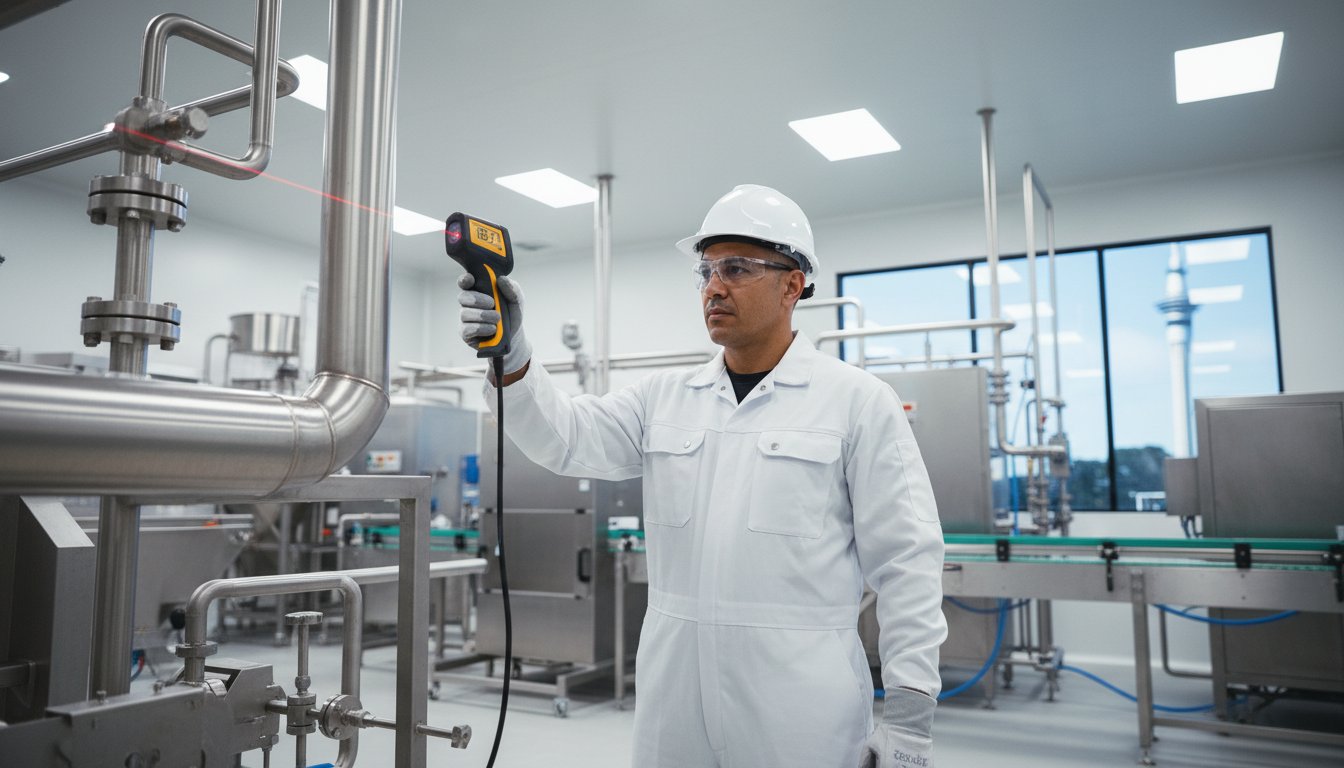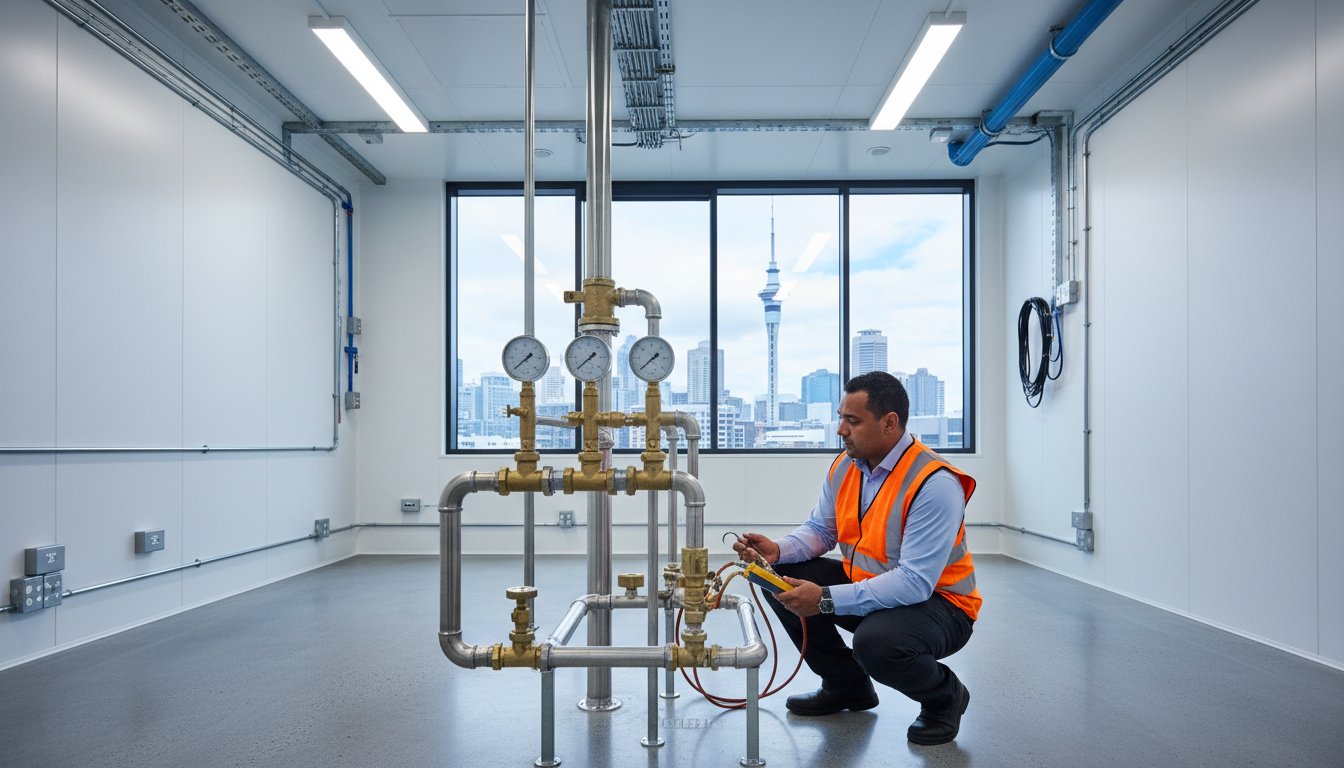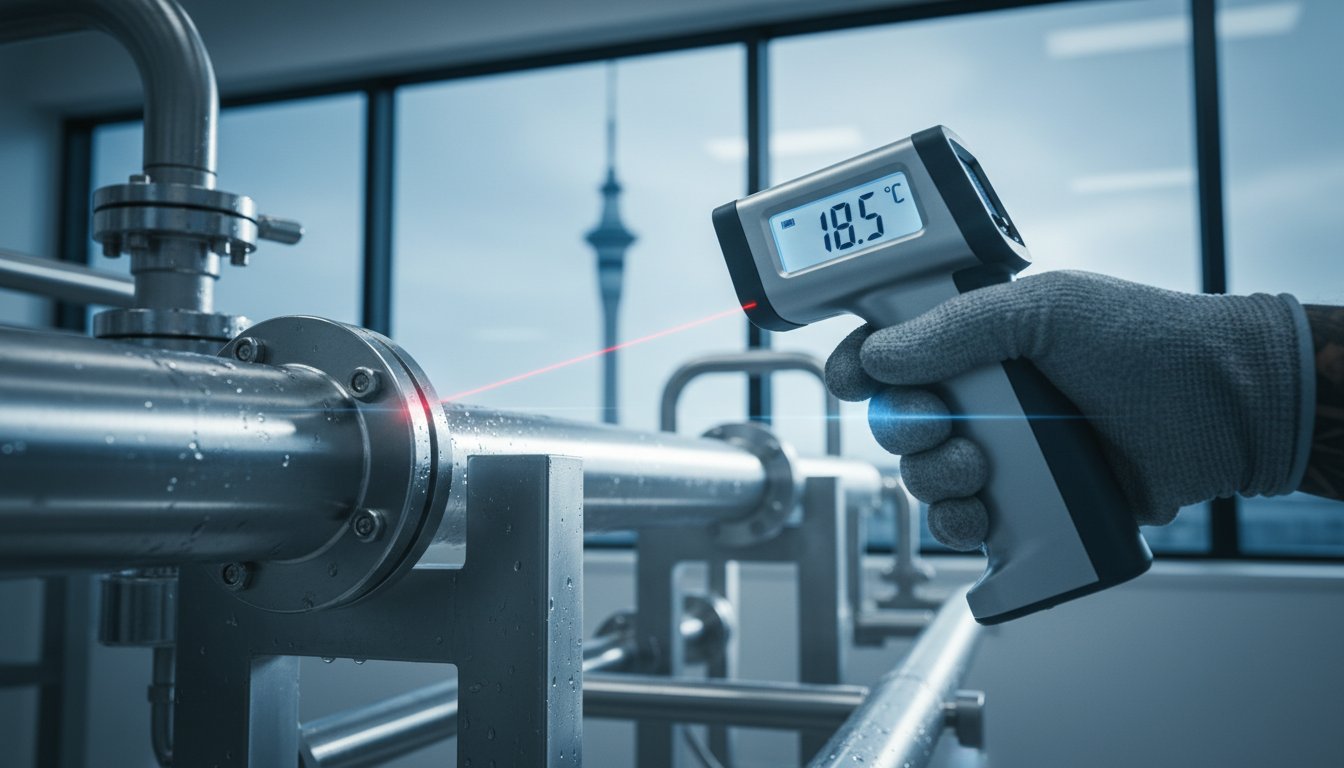



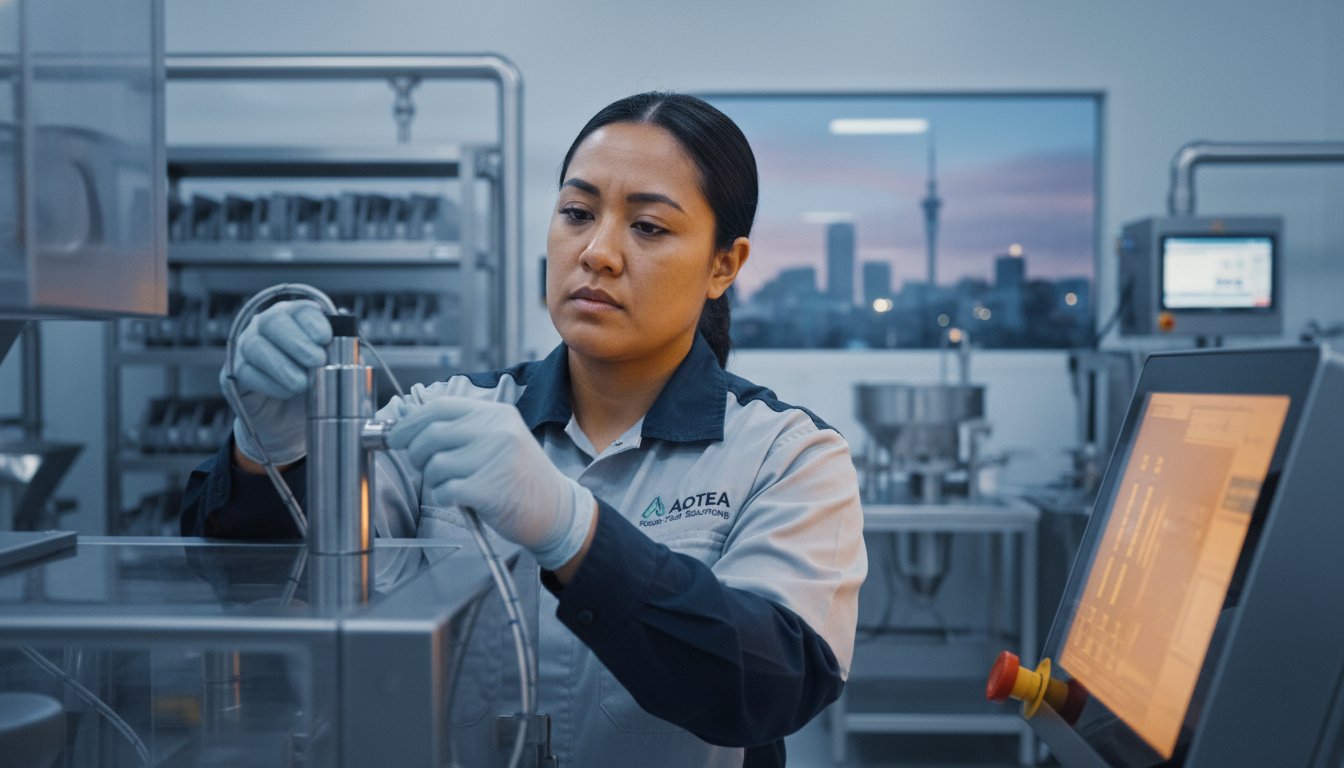
Last Tuesday, a lead technician at an Auckland-based food processing plant watched NZ$4,800 worth of product go to waste because a single thermocouple failed silently under the strain of demanding industrial conditions. You likely understand that in New Zealand’s challenging industrial environments, a standard temperature sensor isn't just a component; it's a frequent point of failure that threatens your entire production line. At CPS (NZ) Ltd, we believe you shouldn't have to settle for "good enough" instrumentation that leads to batch spoilage or constant sensor downtime.
This guide provides the total solution for mastering thermocouple selection, application, and calibration specifically for the demanding industrial conditions found across New Zealand. You'll learn exactly why choosing between Type K, J, or T matters for your specific process and how to ensure your readings meet international quality standards every time. We're moving beyond basic definitions to give you the technical edge required to optimise your plant’s efficiency and data accuracy through reliable instrumentation.
• Understand why a robust thermocouple is the preferred active sensor for Fiji’s heavy industries, such as sugar milling and power generation, over standard RTDs.
• Decipher the critical differences between base-metal types and avoid costly wiring errors by mastering the ANSI versus IEC color-coding standards.
• Learn how to select the right sheath materials, such as Inconel, to protect your instrumentation against Fiji’s corrosive salt-air environments and extreme physical stress.
• Identify the hidden causes of measurement inaccuracies, including the common phenomenon of sensor drift and the technical requirements for Cold Junction Compensation.
• Discover why IANZ accredited calibration is essential for maintaining global traceability and ISO compliance in high-stakes industrial applications.
A thermocouple is a rugged, active temperature sensor constructed from two dissimilar metal wires joined at one end to create a sensing junction. This simple design makes it the workhorse of industrial temperature measurement, particularly in the demanding environments found across the Pacific. Understanding what is a thermocouple? requires looking past the basic hardware to the physics of energy conversion. Unlike passive sensors that require an external power source, a thermocouple generates its own small voltage signal in response to heat. This self-powered nature combined with extreme physical durability is why technicians at the Fiji Sugar Corporation (FSC) mills in Lautoka or Rarawai rely on them daily.
Fiji's heavy industries, including sugar milling and power generation through Energy Fiji Limited (EFL), present unique challenges that render many delicate sensors useless. High humidity levels, often exceeding 85% in Suva, can cause moisture ingress in poorly sealed units. Ambient heat and tropical salt spray accelerate corrosion; however, the solid-wire construction of a thermocouple resists these factors better than the fine platinum coils found in RTDs. When a steam boiler or a heavy-duty marine engine vibrates, a thermocouple remains stable while other sensors might suffer mechanical failure. It's the primary choice for any application where downtime costs thousands of dollars per hour.
Precision measurement relies on a phenomenon known as the thermoelectric effect. When the junction of two different metals experiences a temperature gradient, electrons move at different rates across the materials. This creates a measurable electromotive force. For engineers, this means we can correlate a specific millivolt output to a precise temperature value using standard reference tables. The Seebeck effect is the conversion of temperature differences directly into electricity.
Technical teams must manage these millivolt signals carefully. Because the voltage is so small, often measured in microvolts per degree Celsius, signal integrity is paramount. In a 2023 site audit of Pacific industrial plants, 15% of measurement errors were traced back to improper extension wire usage rather than sensor failure. We don't just look at the probe; we look at the entire signal path to ensure the millivolt reading reaching your controller is accurate and free from electromagnetic interference.
Choosing between a thermocouple and an RTD (Resistance Temperature Detector) or thermistor depends on your specific environment. RTDs offer higher accuracy at lower temperatures, but they're fragile and limited to roughly 600°C. In contrast, certain thermocouple types can measure temperatures up to 2,500°C. This makes them indispensable for smelting, glass manufacturing, and high-heat furnace applications where an RTD would simply melt or shatter.
Solid metal construction handles high-vibration marine engines in Suva's shipping industry.
Small junction sizes allow for rapid response to temperature spikes in steam lines.
Capable of monitoring everything from cryogenic cooling to 2,500°C industrial kilns.
Hardware is only half the battle in the Pacific. At CPS (NZ) Ltd, we provide a total solution because we know that a sensor is useless without proper integration. We don't just ship a probe; we provide the fittings, the specialized lead wires, and the IANZ accredited calibration required for international compliance. Since our establishment over 35 years ago, we've learned that providing the "total package" is the only way to ensure Fiji techs aren't left stranded with a part that doesn't fit their specific onsite requirements.
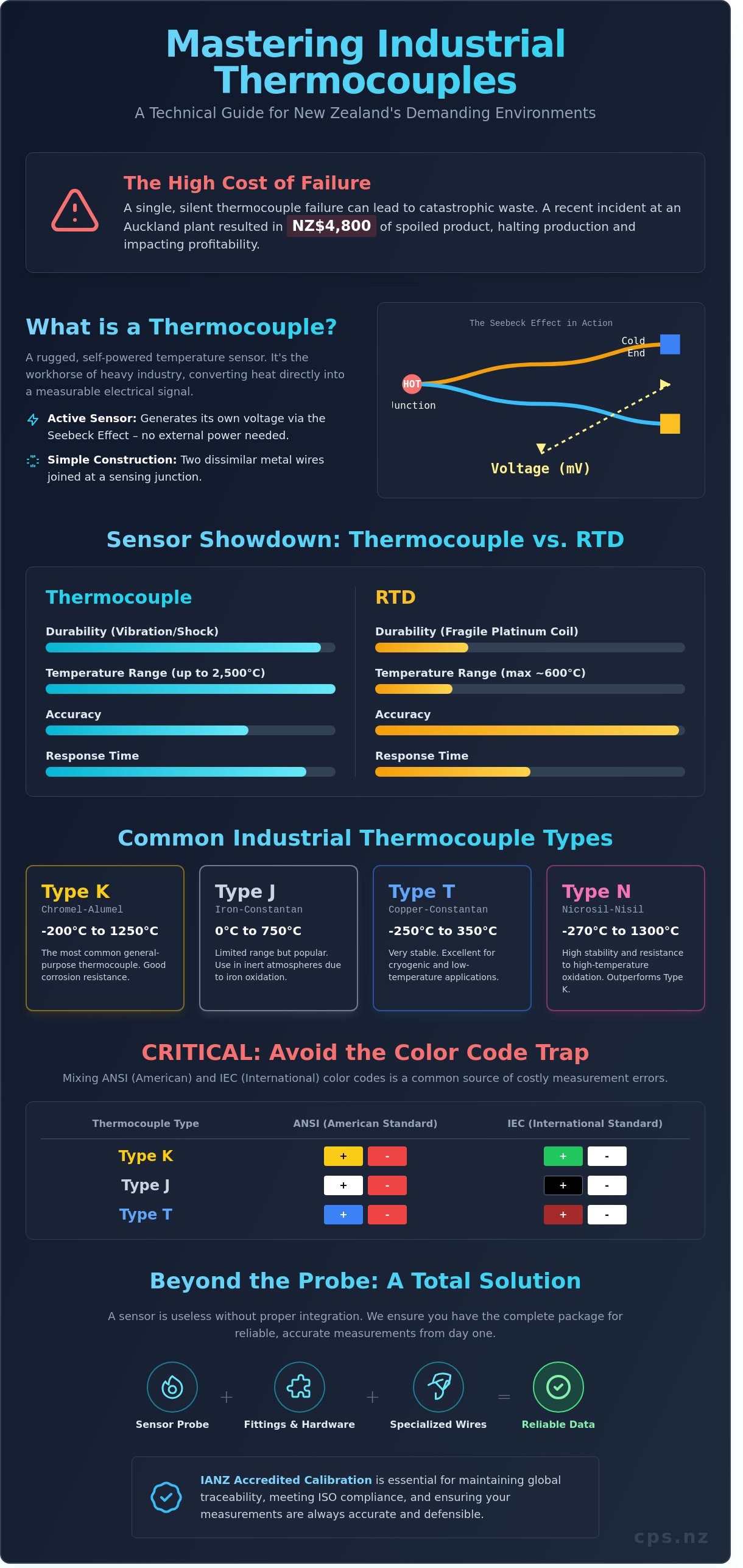
Selecting the right thermocouple for a Fiji industrial site depends on the environment as much as the temperature range. Most technicians in the South Pacific encounter four primary base-metal types. A common point of failure stems from the mix of International Electrotechnical Commission (IEC) and American National Standards Institute (ANSI) color codes. In Fiji, you might find an American-made boiler using ANSI (Yellow for Type K) next to a European-standard chiller using IEC (Green for Type K). Mixing these leads to reversed polarity or incorrect readings, which accounts for approximately 30% of instrumentation errors we see in the field.
Type K is the most popular choice for Fiji manufacturing because of its versatile range from -200°C to +1260°C. It’s the standard for smelting and kilns. However, it’s vulnerable to "Green Rot" when used in reducing atmospheres between 800°C and 1050°C. This occurs when chromium oxidises, causing the thermocouple to drift significantly. To avoid this, ensure proper ventilation or use a ceramic protection sheath. Our team often recommends Type K for general industrial monitoring where cost-efficiency and durability are the primary requirements.
Type J (Iron / Constantan) remains a staple for vacuum and reducing environments. It has a narrower range of 0°C to 750°C. In Fiji’s typical 85% humidity, Type J faces a specific challenge: the iron leg is prone to oxidation and rust. This makes it less ideal for outdoor or damp tropical environments compared to other types. It is best suited for plastic injection moulding or indoor heat treatment where moisture is controlled.
Type T (Copper / Constantan) is the gold standard for food processing and sub-zero storage in Suva cold stores. Its copper leg offers superior resistance to moisture-induced corrosion. With a range of -200°C to +350°C, it provides high accuracy in the narrow temperature bands required by food safety regulations. Because Type T is extremely stable at low temperatures, it’s the preferred choice for cryogenic applications and laboratory environments where precision is non-negotiable.
Type N (Nicrosil / Nisil) was developed in the 1980s to solve the stability issues of Type K. It handles high temperatures up to 1300°C without the same risk of "Green Rot." It’s an excellent choice for high-end furnace control where long-term reliability is essential. Regardless of the type you choose, the lead wire is the most overlooked component of the total package. Using standard copper wire to extend a signal creates a new, unwanted junction. This degrades the signal accuracy. Always use matching extension or compensating cables to maintain the integrity of your measurement system. When your process requires absolute precision, our IANZ accredited team provides the total solution for sensor supply and onsite calibration.
Best for general industrial use; watch for Green Rot in reducing atmospheres.
Ideal for vacuums; avoid in high-humidity areas due to iron oxidation.
Superior moisture resistance; perfect for Fiji’s food and beverage sector.
Enhanced stability at high temperatures; the modern alternative to Type K.
For accurate readings, always verify your color-coding standards. IEC standards use a green outer jacket for Type K, while ANSI uses yellow. Checking these details during installation prevents 90% of common commissioning delays. Professional technicians rely on these distinctions to ensure every thermocouple installation meets international calibration standards.
Selecting the right thermocouple requires a disciplined framework that goes beyond simple temperature ranges. Our technicians focus on three primary pillars: chemical compatibility, maximum operating temperature, and physical stress. In Fiji, the environmental variables are often more aggressive than in temperate climates. High humidity combined with ambient temperatures frequently exceeding 30°C means your instrumentation faces constant thermal and oxidative stress before you even factor in the industrial process.
The salt-air factor is a critical consideration for any facility located near the coast. While many suppliers provide standard 316 stainless steel sheathing, this material often fails prematurely in high-chloride environments like Suva or Lautoka. We recommend Inconel 600 sheathing for high-temperature applications where salt-induced corrosion is a risk. It's a superior alloy that maintains its structural integrity and oxidation resistance far better than stainless steel. Choosing the wrong sheath material leads to sensor drift and eventual junction failure, costing your facility thousands in unplanned downtime.
Thermowells provide an essential layer of protection for your sensors. These heavy-duty pressure vessels allow you to remove a sensor for calibration or replacement without breaching the process seal. This is vital for high-pressure steam lines or tanks containing corrosive liquids. If you're currently auditing your plant's thermal systems, you might also find our guide on Choosing a Temperature Gauge for Your Fiji Facility helpful for coordinating your local readouts with your digital control systems.
Sugar and beverage production in Lautoka requires strict adherence to sanitary standards. Probes must be moisture-resistant and easy to clean to prevent bacterial growth. We typically specify Type T thermocouples for these applications. Type T offers excellent precision in the -200°C to 350°C range and is naturally resistant to the moisture-heavy environments found in steam-jacketed kettles. For the 2024 crushing season, many mills moved toward "plug and play" kits. These pre-calibrated sensor assemblies allow onsite teams to swap out failing probes in under five minutes, ensuring production peaks aren't interrupted by minor hardware failures.
The marine sector in Suva faces some of the harshest conditions in the Pacific. Monitoring exhaust gas temperatures (EGT) in large diesel engines is a primary safety requirement. We use Type K thermocouples with Inconel sheathing for these high-vibration environments. The sensors must withstand temperatures up to 1100°C while resisting the corrosive effects of high-sulfur fuel exhaust. We don't just supply the sensor; we ensure the "total package" includes moisture-proof seals and robust, vibration-resistant connectors. Standard plastic connectors will brittle and crack within months in a marine engine room. We provide heavy-duty ceramic or metal-clad connectors to ensure signal traceability remains 100% accurate from the engine block to the bridge display.
Match the sheath material to the corrosive agents in your process.
Use spring-loaded sensors in high-vibration areas to prevent lead-wire breakage.
Maintain a stock of pre-terminated kits to reduce mean time to repair (MTTR).
Accuracy starts at the point of installation. For a thermocouple to provide a precise reading, you must account for Cold Junction Compensation (CJC). This process corrects the voltage generated at the instrument end, where the sensor wires meet the copper terminals of the measuring device. If your connection point experiences temperature fluctuations, your readings will fluctuate too. We recommend installing transmitters as close to the sensor as possible to convert the millivolt signal into a robust 4-20mA loop. This minimizes the distance the sensitive signal needs to travel. In New Zealand and Fiji, we've seen errors as high as 10°C simply because technicians didn't properly insulate the terminal head from ambient heat sources.
In Fiji's coastal industrial environments, salt-air ingress is a constant threat. When salt and moisture enter a junction box, they create "parasitic junctions." These are unintentional metal-to-metal contacts that generate their own voltage, leading to false temperature data. Always use the correct extension wire that matches the sensor's metallurgy. Mixing metals at the terminal block introduces errors that often exceed 5°C. For factory floors with heavy machinery, use shielded cables to block Electromagnetic Interference (EMI) from VFDs and motors. Proper grounding of the shield at one end is essential to drain away electrical noise and maintain signal integrity.
Even a high-quality thermocouple won't last forever. "Thermocouple Drift" is a subtle danger where the wire's chemical composition changes over time due to high heat exposure. The sensor doesn't break, but the millivolt output shifts, causing the reading to "drift" away from the actual temperature. "Decalibration" often follows atmospheric contamination or physical stress. In a 2023 performance review of industrial sensors, 18% of units showed significant drift after six months of continuous service above 800°C. This isn't a failure you can see with your eyes; you can only detect it through comparative testing against a known reference standard.
Inspect your sensors for pitting, discoloration, or brittle wires. These are clear signs of physical degradation. If a probe looks burnt or the sheath is cracked, replace it immediately. For critical processes, don't wait for a failure. Establish a preventative maintenance schedule based on your specific usage. Most Fiji-based food and beverage plants benefit from a six-month calibration cycle. Check out our guide on 5 Signs Your Equipment Needs Calibration in Fiji to determine if your hardware is still fit for purpose. We provide total solutions that include both the supply of new sensors and IANZ accredited calibration services to keep your plant running within spec.
Use this practical checklist for troubleshooting erratic thermocouple readings on-site:
• Check for loose terminal connections; these cause "jumpy" or erratic readings.
• Verify the polarity. Reversed wires are a common mistake that causes readings to go down when the temperature goes up.
• Measure the loop resistance. A high reading indicates a thinning wire or a failing junction.
• Look for "shorting" against the protection sheath, which creates a new junction at the wrong location.
• Use a handheld calibrator to simulate the millivolt signal and isolate whether the issue is the sensor or the controller.
Our team understands that downtime costs money. We don't just sell parts; we provide the expertise to ensure your instrumentation is reliable in the harshest Pacific conditions. Contact our technical team for expert advice on selecting the right sensors for your specific application.
Relying on a factory calibration certificate is a common mistake that can lead to significant operational risks. While a new thermocouple comes with a manufacturer's statement, this document rarely meets the rigorous requirements of ISO 9001 or ISO 17025 audits. Factory checks often occur in controlled environments that don't reflect the harsh, humid conditions of a Suva processing plant or a Lautoka industrial site. For Fiji technicians, IANZ (International Accreditation New Zealand) calibration provides the legal and technical assurance that your temperature readings are accurate and traceable to international standards.
Without an accredited certificate, your business faces the threat of batch loss and regulatory non-compliance. In the food export sector, a deviation of just 1.5 degrees Celsius during pasteurization can result in the disposal of an entire production run. For a medium-sized facility, this might represent a loss exceeding NZ$45,000 in raw materials and labor. IANZ accreditation ensures that every measurement is backed by a documented chain of traceability, protecting your brand and your bottom line from the high costs of inaccuracy.
Traceability is the backbone of quality control in South Pacific trade. When you export goods to Australia, New Zealand, or the United States, your temperature data must be beyond reproach. An IANZ certificate acts as your shield against liability. It proves that your sensors were tested against high-level reference equipment in a controlled laboratory environment. This level of precision is essential for maintaining the integrity of Fiji's diverse exports, from premium mineral water to processed fish products. You can learn more about these requirements in our guide on Why IANZ Accreditation Matters for Your Fiji Business. We ensure your documentation is audit-ready, preventing delays at international borders.
We don't just sell components; we provide engineered systems designed to withstand the rigors of Pacific industry. Many suppliers ship a box and leave the technical integration to you. CPS (NZ) Ltd takes a different approach. We design and assemble the fittings, protective hoses, and connectors to ensure your sensor works perfectly from day one. Our Auckland laboratory has supported regional infrastructure for over 35 years, giving us a deep understanding of the specific challenges Fiji techs face, such as salt-air corrosion and high ambient heat.
Our commitment to excellence means we invest heavily in world-class reference equipment. We aren't a company that just imports and sells products to make a quick profit. We are technical partners who offer a supply of the world's best instrumentation as plug-and-play kits tailored to your exact onsite requirements. CPS (NZ) Ltd provides the total solution, including custom-built thermocouple kits calibrated and packed for immediate Fiji deployment. This comprehensive service ensures you spend less time troubleshooting and more time maintaining production efficiency.
Pre-calibrated kits allow for immediate installation.
Access to NZ's leading instrumentation engineers.
IANZ certificates are recognized worldwide through the ILAC MRA.
Fittings and housings built for your specific machinery.
Choosing the right partner for your temperature monitoring needs is a decision that impacts your entire facility. We take pride in our history and our ability to deliver quality solutions that won't leave you stranded. Whether you are upgrading a sugar mill or maintaining a commercial cold storage unit, our team provides the technical competence you need to succeed. Don't risk your compliance on unverified equipment.
Get a Calibration Quote for Your Fiji Business today and ensure your operations meet the highest international standards.
Choosing the right sensor type and maintaining a strict calibration schedule are the most effective ways to prevent industrial failures. Whether you're managing food processing lines or heavy manufacturing, accurate temperature data protects your bottom line. CPS (NZ) Ltd has supported South Pacific industry for over 35 years, providing more than just parts. We offer a total solution. We do the fittings, we do the custom housings, and we do the IANZ accredited calibrations in our own laboratory. This ensures every unit we provide meets the highest international standards for traceability and performance.
You don't have to navigate complex instrumentation requirements alone. Our team specializes in tailored kits that arrive ready for immediate onsite use. By choosing a partner with deep regional experience, you ensure your facility stays compliant and efficient. We've invested in world-class reference equipment so you can have absolute confidence in your readings every day.
Request a custom thermocouple and calibration quote for your Fiji facility to get started with a partner who understands your technical needs. We're ready to help you build a more reliable operation.
Selection of your thermocouple depends on your specific temperature range and operating environment. Type K is the most common for general industrial use up to 1260 degrees Celsius. Type J works well in reducing atmospheres up to 760 degrees Celsius; meanwhile, Type T is best for sub-zero applications down to -200 degrees Celsius. Always match the sensor type to your controller input to prevent measurement errors of 20 degrees or more.
No, you must use specific thermocouple extension wire that matches your sensor type. Using copper wire creates a new junction where the metals meet, which introduces measurement errors exceeding 10 degrees Celsius. For a Type K sensor, you need Type K extension wire to maintain the correct voltage signal back to your instrument. Don't risk your process accuracy by using standard electrical cable for these sensitive connections.
A grounded thermocouple has the junction welded directly to the protective sheath wall, providing a fast response time of under 2 seconds. An ungrounded version is electrically isolated from the sheath, which prevents electrical noise and ground loops. Ungrounded sensors are 30 percent slower but essential for environments with high electromagnetic interference. We recommend ungrounded types for most automated control systems to ensure signal stability.
Drift usually occurs due to sensor aging or contamination of the internal wires at high temperatures. In a 1000 degree Celsius environment, a Type K sensor might drift by 3 to 5 degrees after 500 hours of continuous use. This happens because the alloys physically change over time, altering the voltage output. Regular testing is the only way to identify these gradual inaccuracies before they impact your product quality.
You should calibrate your industrial thermocouples every 12 months to maintain accuracy and compliance. High-precision or high-heat processes often require a 6-month cycle to catch drift early. CPS (NZ) Ltd provides IANZ accredited calibrations starting from NZ$150 per point to ensure your readings remain within the required 1.1 degree or 0.4 percent tolerance. We provide the total package, including pickup and delivery for our Fiji-based clients.
A thermowell is a pressure-tight cylindrical fitting that protects the sensor from corrosive fluids and high-pressure flows. In Fiji's sugar mills or geothermal sites, thermowells are necessary to allow sensor replacement without draining the system. They prevent damage from process pressures that often exceed 50 bar in industrial steam lines. We stock a range of 316 stainless steel thermowells for immediate dispatch to Pacific worksites.
Fiji does not currently host IANZ accredited labs for high-precision temperature calibration, so most technicians ship equipment to Auckland. CPS (NZ) Ltd manages the total solution by handling the logistics and IANZ certification from our New Zealand facility. This ensures your equipment meets ISO 17025 standards with a typical turnaround time of 5 to 7 working days for international transit and testing. It's the most reliable way to guarantee traceability.
Connecting a thermocouple with reversed polarity causes the temperature reading to move in the opposite direction of the actual change. If the process gets hotter, your display will show a decreasing temperature. This error is immediate and results in a reading that is often hundreds of degrees off from the actual process value. Always check your specific color code standard, such as IEC 60584, before completing your wire terminations.